

Is the 2026 GMC Acadia’s 15-inch display a real advantage over the 2026 Honda Pilot for families around Yorktown, TX?
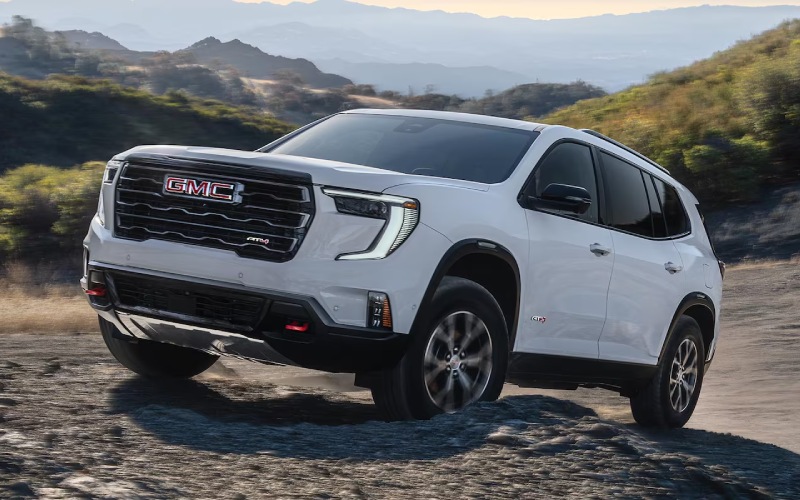
Ancira Partners GMC – Is the 2026 GMC Acadia’s 15-inch display a real advantage over the 2026 Honda Pilot for families around Yorktown, TX?
The screen size question that actually changes daily driving
When families compare tech, the conversation often turns to the center display—how big it is, how easy it is to use, and whether the interface keeps up when life gets busy. The 2026 GMC Acadia brings a 15-inch diagonal infotainment display to the table, while the 2026 Honda Pilot tops out at 12.3 inches. At first glance, that might look like a small difference. In daily use, though, the extra space, layout flexibility, and clear integration of Google built-in add up to quicker glances, easier multitasking, and fewer taps while maneuvering through Yorktown-area traffic or plotting a weekend route.
In the Acadia, the 15-inch screen isn’t just larger—it’s thoughtfully organized to surface the content you need without burying you in menus. Real-time map data sits alongside audio and quick-access tiles, and voice commands feel natural, so you can keep both hands on the wheel. The Pilot’s 12.3-inch system is capable and familiar, but the smaller canvas means more screen switching when you’re toggling between navigation, cameras, and media. Over a week of commutes, school pickups, and highway stints, that streamlining makes the GMC feel calmer and more intuitive.
How the Acadia’s 15-inch display helps in real scenarios
Picture pulling out of a ballfield with a full cabin, juggling directions, a call, and a camera view to check your surroundings. The Acadia’s tall, bright canvas gives each function room to breathe so nothing feels cramped or hidden. Google built-in delivers clean, predictive routing and responsive voice control—say “navigate to the nearest coffee shop” and it happens. The available HD Surround Vision pairs naturally with the display so you see more around the SUV, which builds confidence in tight lots or narrow driveways.
Honda’s interface is polished, and Google built-in is offered on Pilot, too. But with less screen real estate, you spend more time flipping between functions. That extra step or two isn’t a deal-breaker, yet it shifts the daily experience toward more taps and glances—small friction points that add up on busier days.
It’s not just the screen—Acadia layers tech that works together
Beyond the display, Acadia’s tech suite complements family life: an available Head-Up Display to keep speed and turn-by-turn prompts in view, an available Bose 16-Speaker Performance Series audio system for rich sound without cranking the volume, and available Super Cruise® for hands-free driving on compatible highways that helps reduce fatigue on longer regional trips. These features integrate smoothly with the 15-inch screen’s interface and layout, creating a cockpit that’s easier to read and use at a glance. The Pilot offers a solid set of features—Honda Sensing® driver-assistance, the optional multiview camera system with TrailWatch™, and a clean digital instrument cluster—but the overall impression is more traditional, requiring more manual switching among apps and views.
If you often split attention between navigation, phone calls, and camera views while keeping your eyes up and forward, the Acadia’s system feels like an always-on helper. It reduces the need to hunt through screens and minimizes distraction—key advantages for families moving quickly through after-school errands and weekend schedules.
Where the larger screen shines for Yorktown-area drivers
The rural-urban mix around Yorktown makes flexibility matter—quick hops to the grocery store on local roads, longer round-trips on US-87, or detours onto gravel drives. With the Acadia’s display, those transitions are easier to manage. The system’s layout lets you keep maps up while adjusting audio or checking a camera view. The Pilot can do these things as well, but with less visible space at once, you tend to choose one function at a time, which can add steps when life gets hectic.
For trailering days or loading up for a youth sports tournament, Acadia’s available camera views and the big display help confirm clearances and orientation quickly. When parking downtown or pulling through tight drive-thru lanes, that added visual detail and easy-to-read interface nudge confidence upward in small but steady ways.
- Display size and clarity: Acadia’s 15-inch screen presents navigation, media, and cameras with more visible information at once; the Pilot’s 12.3-inch unit is sharp but requires more switching between apps.
- Voice control and Google built-in: Both offer Google built-in, yet the Acadia’s layout and larger tiles make it feel more “glanceable” while using natural voice commands.
- Camera integration: Acadia’s available HD Surround Vision pairs seamlessly with the tall display to show more of what’s around you in one view.
Of course, technology doesn’t live in a vacuum. The Acadia’s quiet ride, available massaging front seats in Denali Ultimate, and upscale cabin design all work in tandem with the screen to reduce fatigue and elevate the experience. Meanwhile, the Pilot’s strengths—smooth V-6 power, versatile seating, and TrailSport’s added ground clearance—remain compelling. Many shoppers simply find that Acadia’s interface and feature integration make busy days feel more manageable and organized.
Choosing between these two comes down to which strengths you value most. If you prioritize a premium tech experience that speeds up everyday tasks, the Acadia’s 15-inch display is a genuine advantage. If you prefer a more traditional layout with familiar Honda ergonomics, the Pilot will feel right at home. Either way, take the time to set up profiles, try voice commands, and practice camera use on a familiar route—you’ll feel the difference quickly.
Frequently Asked Questions:
Does the bigger 15-inch Acadia display make navigation easier?
Yes. The larger screen shows more map detail at a glance and keeps key controls visible without covering navigation. You spend less time switching between apps, which reduces distraction.
Do both SUVs offer Google built-in?
Yes. Both the 2026 Acadia and 2026 Pilot offer Google built-in for native navigation, voice control, and apps. The difference is how the interface is laid out—Acadia’s 15-inch canvas gives those features more room to breathe.
Is Super Cruise available on the Acadia?
Acadia offers available Super Cruise® on select trims. It’s designed for hands-free driving on compatible roads and pairs well with the large display and available Head-Up Display for a low-stress highway experience.
Which SUV has better camera visibility?
Both offer helpful camera systems. Acadia’s available HD Surround Vision leverages the larger screen to show more context in a single view, which many drivers find useful during parking and low-speed maneuvers.
What about audio quality in each?
Acadia offers an available Bose 16-Speaker Performance Series audio system, while Pilot offers an available Bose premium audio system. Both are strong, but the GMC’s 16-speaker setup provides greater immersion and clarity.
Ready to compare interfaces side by side and see how that 15-inch screen changes the daily drive? Visit Ancira Partners GMC for a hands-on look and a proper test route that reflects your routine—serving Victoria, Yoakum, and Yorktown. One drive is often all it takes to feel how the right interface can make busy days calmer and more connected.
0 comment(s) so far on Is the 2026 GMC Acadia’s 15-inch display a real advantage over the 2026 Honda Pilot for families around Yorktown, TX?